
About us
Three generations of building cities
A public benefit corporation for sustainable development, built on almost seventy years of infrastructure and project delivery.
Public benefit corporation
Profit with a purpose, written into our charter
Incorporated in 2016, Berkshire Development is registered as a public benefit corporation (P.B.C.), specializing in sustainable development. Its purpose brings public benefit alongside commercial returns, building on the experience of its predecessor businesses.
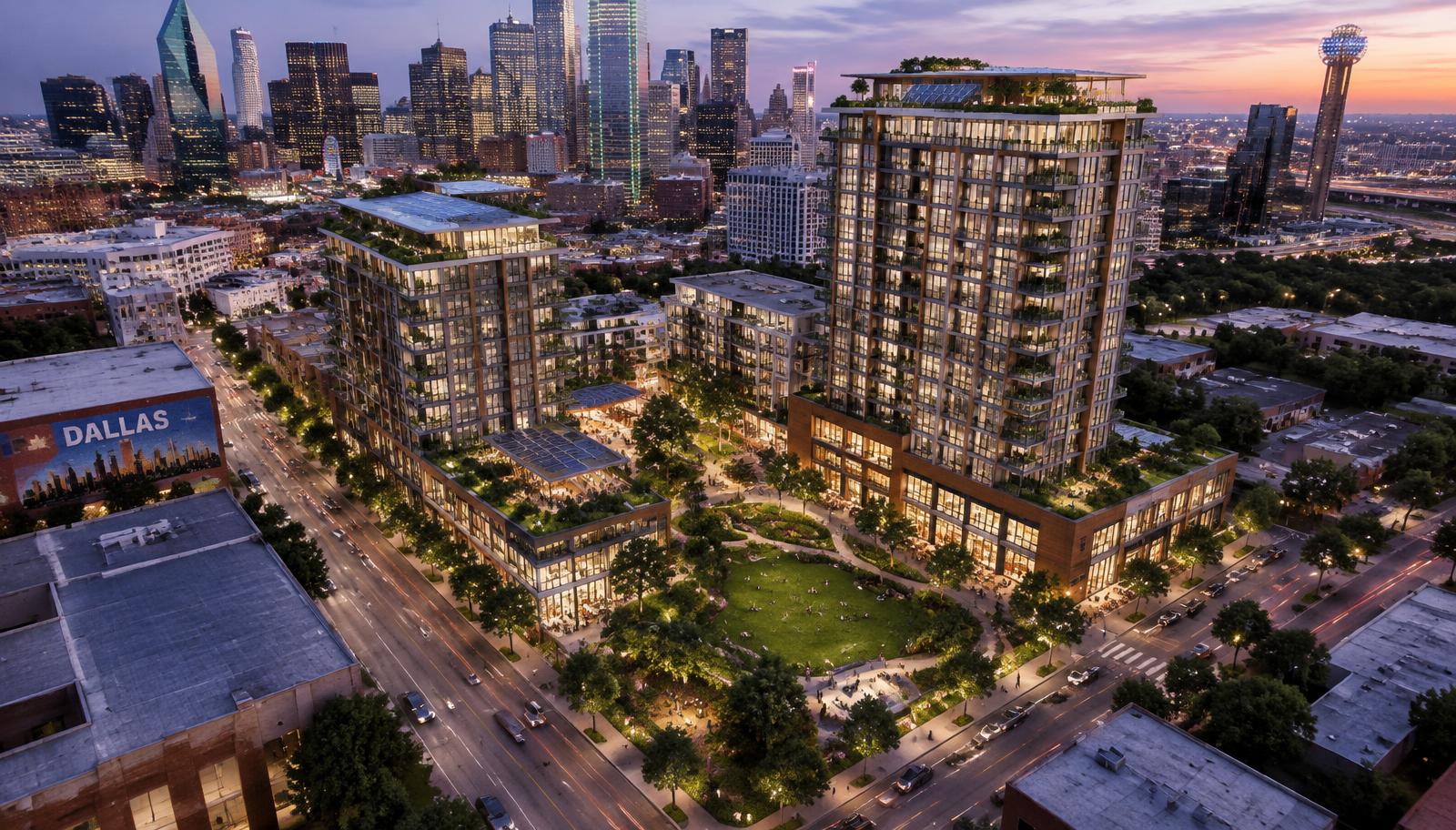
Our stated benefit is sustainable development: re-using historic buildings instead of demolishing them, bringing vacant land back into use, and creating walkable, mixed-use neighborhoods that make downtown Dallas stronger for everyone.
Our history
From infrastructure to city-making
- 1957
Family infrastructure business
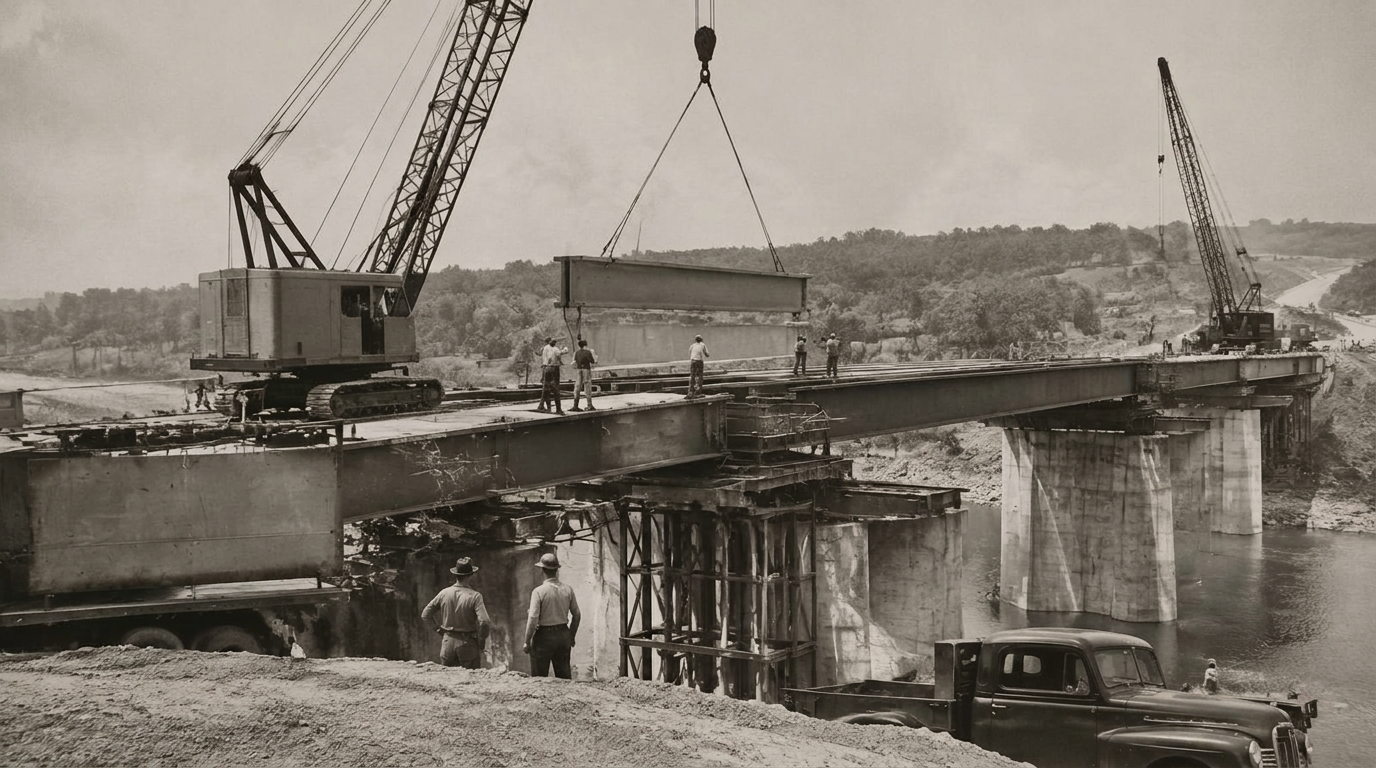
The family business begins building infrastructure: the roads, bridges and public works that cities grow on.
- 1986
New York project management
A New York-based project management company is founded, delivering complex building projects on time and on budget.
- 2005
Dallas CBD master plan
The combined experience leads to the Central Business District revitalization master plan for downtown Dallas.
- 2016
Berkshire Development P.B.C.
Incorporated as a public benefit corporation, bringing the family's infrastructure and New York project management experience together in a sustainable development business.
Combined experience
Engineering roots, delivery discipline
Decades of building infrastructure taught us how cities really work. Decades of managing projects in New York taught us how to deliver them. Together they shaped the master plan, the adaptive reuse projects and the land use plans behind today's downtown Dallas.
Architectural collaboration
Returning to the Statler's origins
Berkshire collaborated with the New York architectural practice of William B. Tabler, the Statler Hilton's original architect, to revisit the design and develop adaptive reuse concepts.
The collaboration connects the landmark's original architectural intent with a new program of hospitality and serviced residences.
The Statler: origins & adaptive reuse →Public benefit · Employment & environment
The potential impact of investment
Illustrative planning scenarios explore how investment, operating payroll and building reuse can support employment and environmental benefits across Berkshire and its predecessor businesses.
Berkshire Development P.B.C.
Incorporated in 2016. Earlier Dallas planning activity dates to 2005; it is not automatically attributed to the incorporated entity.
Illustrative scenario inputs
- 50
- Direct construction job-years
- 20
- Annual operating FTE
- 3,000 t
- Potential embodied CO₂e avoided
- 600 MWh
- Potential annual energy reduction
One full-time job for one year; not permanent jobs.
Full-time equivalents supported by the assumed payroll.
Reuse compared with a same-area new-build scenario.
After upgrades compared with the assumed baseline.
Assumptions, boundaries & evidence
Construction: 40% of investment allocated to labor ÷ $80,000 annual fully loaded worker cost. Operations: annual payroll ÷ $50,000 fully loaded annual cost per FTE. These are adjustable planning scenarios, not sourced industry multipliers. Indirect and induced jobs are excluded.
Embodied carbon: 500 kg CO₂e/m² for a hypothetical new building minus 200 kg CO₂e/m² for hypothetical reuse. Energy: 200 minus 140 kWh/m²/year. These are illustrative comparison assumptions, not a life-cycle assessment, metered savings or carbon credits.
Do not add construction job-years to annual FTE. Do not multiply by the years since founding. The three business scenarios are separate; overlapping contracts, floor area and payroll must be removed before any group total is reported.
Actual outcomes require project budgets, payroll records, completion dates, retained floor area, energy bills and project-specific assessments. New vacant-land construction is excluded from the building-retention carbon comparison. No verified cumulative group totals are claimed.